In Nonhomologous End Joining (NHEJ), dsDNA breaks are recognized by _____, recruiting the MRN complex which then recruits the Artemis protein and various others to help repair the damage
#2
In Homologous Recombination, dsDNA breaks are recognized by the _____ protein and the FA Core Complex, which activate BRCA1/2 to recruit enzymes to repair the break
#3
_____ is the branch of molecular biology that deals with the study of heritable changes in gene function not involving changes in the DNA sequence.
#4
A _____ is bacteria with plasmids containing DNA fragments representing the majority of the genetic information from a plant or animal.
#5
First step of initiation of mRNA synthesis involves _____ of the ribosome
#6
Phosphorylation of histone _____ is associated with the condensation of chromosomes during the replication cycle.
#7
_____ assay is used in the screening of recombinant vectors for inserted DNA fragments
#8
_____ refers to a rearrangement that involves two breaks within a single chromosome with reincorporation of the inverted, intervening segment.
#9
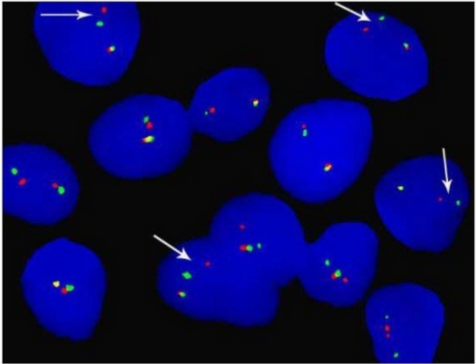
FISH may be carried out in Metaphase or _____phase of the cell cycle.
#10
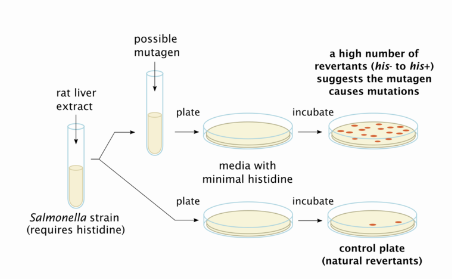
_____ test is a widely used biological assay to assess the mutagenic potential of chemical compounds.
DNA Replication and Repair Mechanisms Indian Medical PG Flashcards - Medical Study Cards
Master DNA Replication and Repair Mechanisms with OnCourse flashcards. These spaced repetition flashcards are designed for medical students preparing for NEET PG, USMLE Step 1, USMLE Step 2, MBBS exams, and other medical licensing examinations.
DNA Replication and Repair Mechanisms Flashcard Deck - 10 Cards
Flashcard 1: In Nonhomologous End Joining (NHEJ), dsDNA breaks are recognized by _____, recruiting the MRN complex which then recruits the Artemis protein and various others to help repair the damage
Answer: ATM
Flashcard 2: In Homologous Recombination, dsDNA breaks are recognized by the _____ protein and the FA Core Complex, which activate BRCA1/2 to recruit enzymes to repair the break
Answer: ATM
Flashcard 3: _____ is the branch of molecular biology that deals with the study of heritable changes in gene function not involving changes in the DNA sequence.
Answer: Epigenetics
Flashcard 4: A _____ is bacteria with plasmids containing DNA fragments representing the majority of the genetic information from a plant or animal.
Answer: genomic library
Flashcard 5: First step of initiation of mRNA synthesis involves _____ of the ribosome
Answer: dissociation
Flashcard 6: Phosphorylation of histone _____ is associated with the condensation of chromosomes during the replication cycle.
Answer: H1
Flashcard 7: _____ assay is used in the screening of recombinant vectors for inserted DNA fragments
Answer: Blue-white
Flashcard 8: _____ refers to a rearrangement that involves two breaks within a single chromosome with reincorporation of the inverted, intervening segment.
Answer: Inversion
Flashcard 9: FISH may be carried out in Metaphase or _____phase of the cell cycle.
Answer: Inter
Flashcard 10: _____ test is a widely used biological assay to assess the mutagenic potential of chemical compounds.
Answer: Ames
Keywords: DNA Replication and Repair Mechanisms flashcards, medical flashcards, NEET PG preparation, USMLE Step 1 flashcards, Anki alternative, spaced repetition medical, OnCourse flashcards
Want unlimited flashcards?
Get full access to all flashcards, spaced repetition, and progress tracking.