
Anatomical Considerations in Regional Anesthesia — Flashcards

Lumbar puncture is usually performed between _____ and L5
Anesthesia of the cheek is very common, in blowout fractures due to the involvement of _____ nerve
When the acoustic neuroma affects the _____ fibers of the facial nerve, there will be hypoaesthesia of the posterior meatal wall
The _____ is the landmark for the pudendal nerve block.
Repetitive pronation / supination of the forearm can result in a _____ nerve palsy due to irritation by the superficial and deep parts of the supinator muscle
_____ represents the classical location of femoral hernia
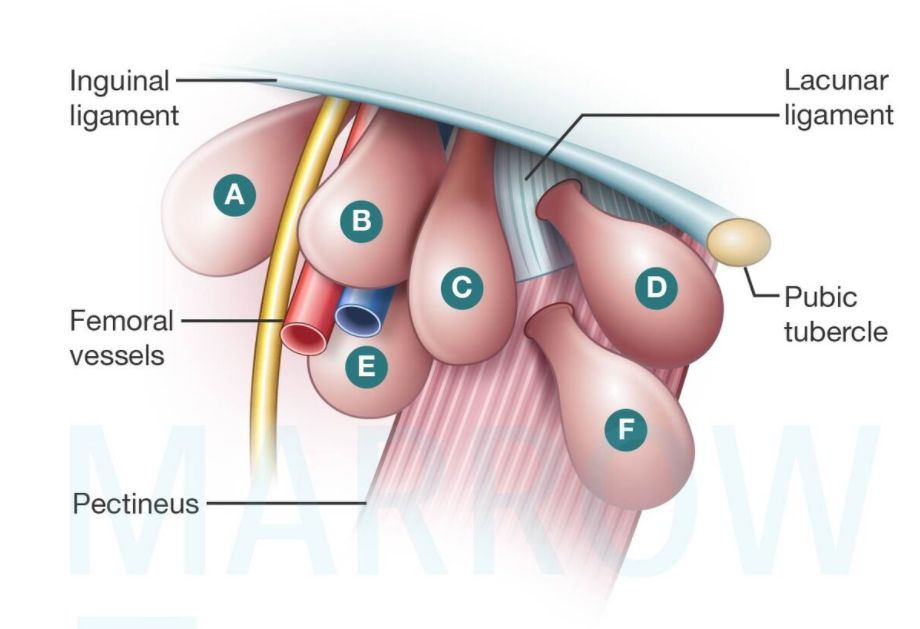
_____ femoral hernia is lateral to the femoral artery
Hint: A
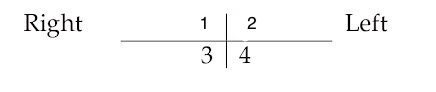
_____ system of tooth charting: Number is assigned to each quadrant and that number is placed before tooth's number.
A lesion to #_____ would result in deltoid paralysis.
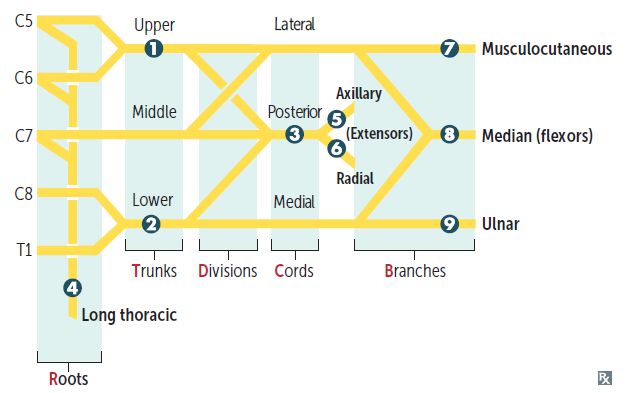
A lesion to #2 would result in _____
Anatomical Considerations in Regional Anesthesia Flashcards for NEET-PG
Study 10 flashcards on Anatomical Considerations in Regional Anesthesia for NEET-PG Anatomy. These active recall cards cover the key concepts, clinical associations, and high-yield facts from this chapter of Clinical Anatomy. Each card is designed to test your understanding rather than just recognition, building stronger and more durable memories for exam day.
For personalised spaced repetition scheduling and unlimited flashcards, download the Oncourse app.
Frequently Asked Questions
Are Anatomical Considerations in Regional Anesthesia flashcards free?
How many flashcards does this chapter have?
How should I use these flashcards for NEET-PG?
Are there more flashcards for Clinical Anatomy?
Want unlimited flashcards?
Get full access to all flashcards, spaced repetition, and progress tracking.
Start For Free