
Anatomical Approaches in Minimally Invasive Procedures — Flashcards

The optimal site for obtaining vascular access in the lower extremity during cardiac catheterization is the _____ artery below the inguinal ligament
What is the most common location of hydatid cyst?_____
The _____ is an imaginary line joining the insertions of the four recti and is an important anatomical landmark when performing surgery.
The lateral femoral cutaneous nerve is commonly injured (meralgia paresthetica) due to _____, obesity or pregnancy
What are the main collateral channels in IVC obstruction?_____
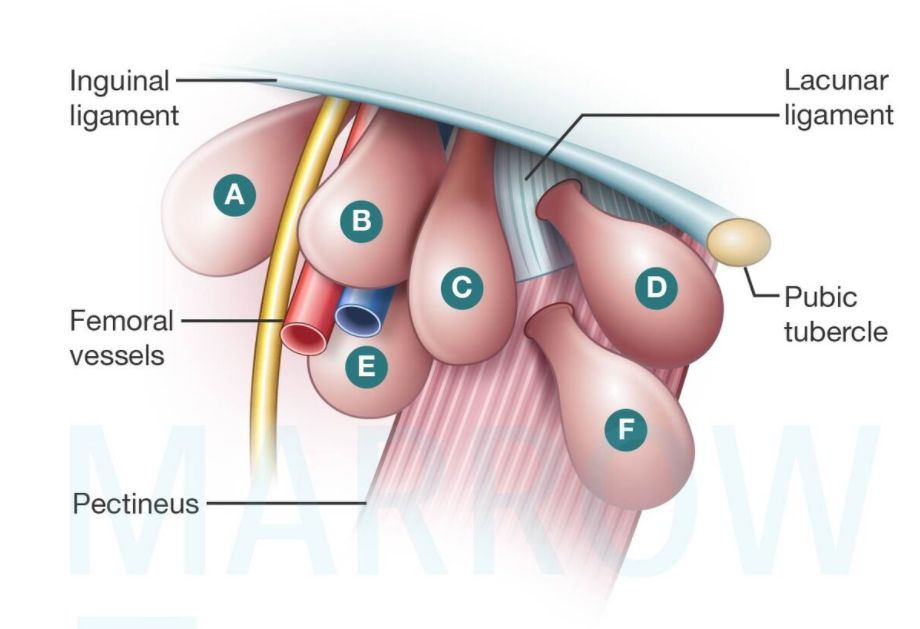
_____ femoral hernia is lateral to the femoral artery
_____ result from portosystemic shunting between the left gastric (portal) and esophageal branch of the azygos (systemic) veins
Which muscle layers are cut through while entering the pleural cavity for inserting an intercoastal drain?_____ and the intercostals.
_____ represents the classical location of femoral hernia
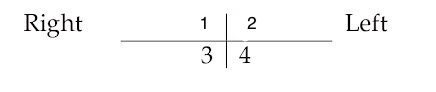
_____ system of tooth charting: Number is assigned to each quadrant and that number is placed before tooth's number.
Anatomical Approaches in Minimally Invasive Procedures Flashcards for NEET-PG
Study 10 flashcards on Anatomical Approaches in Minimally Invasive Procedures for NEET-PG Anatomy. These active recall cards cover the key concepts, clinical associations, and high-yield facts from this chapter of Clinical Anatomy. Each card is designed to test your understanding rather than just recognition, building stronger and more durable memories for exam day.
For personalised spaced repetition scheduling and unlimited flashcards, download the Oncourse app.
Frequently Asked Questions
Are Anatomical Approaches in Minimally Invasive Procedures flashcards free?
How many flashcards does this chapter have?
How should I use these flashcards for NEET-PG?
Are there more flashcards for Clinical Anatomy?
Want unlimited flashcards?
Get full access to all flashcards, spaced repetition, and progress tracking.
Start For Free