NCLEX dosage calculation practice questions
Dosage calculations are a named content area on both 2026 NCSBN test plans. This page collects the calculation items from the Oncourse NCLEX bank: weight-based doses, IV pump rates in mL/hr, gravity drip rates and oral liquid volumes. Work each one, then check the answer and explanation.
Where dosage calculations sit on the NCLEX test plan
On the 2026 NCLEX-RN test plan, “Dosage Calculations” is a content area under Pharmacological and Parenteral Therapies, which makes up 13–19% of items. Its activities are “Perform calculations needed for medication administration” and “Use clinical decision-making/critical thinking when calculating dosages”.
Source: NCSBN, 2026 NCLEX-RN Test Plan. As of: Effective 1 April 2026 – 31 March 2029 (checked 30 Oct 2026).
The 2026 NCLEX-PN test plan has the same content area under Pharmacological Therapies (10–16% of items), worded “Use clinical decision-making when calculating doses”. It also lists “Calculate and monitor intravenous flow rate” as an expected PN action.
Source: NCSBN, 2026 NCLEX-PN Test Plan. As of: Effective 1 April 2026 – 31 March 2029 (checked 30 Oct 2026).
Dosage calculation practice questions
16 calculation questions from the Oncourse NCLEX-RN bank. Work each one on paper, round as the question says, then type or pick your answer and press “Check answer” to see the working.
16 questions
Question 1
A client with severe preeclampsia has completed a prescribed loading dose of magnesium sulfate. The maintenance prescription is magnesium sulfate 2 g/hr by continuous IV infusion. The available solution contains magnesium sulfate 20 g in 500 mL of 0.9% sodium chloride. At how many mL/hr should the nurse program the infusion pump? Enter a whole number.
Question 2
A client has a prescription for ceftriaxone 1 g IV diluted in 100 mL of 0.9% sodium chloride to infuse over 30 minutes. The electronic pump is unavailable, and the nurse will use tubing with a drop factor of 15 drops/mL. How many drops per minute should the nurse regulate the infusion? Round to the nearest whole number.
Question 3
A 74-kg client has a prescription for methylprednisolone 1 mg/kg IV once for an acute inflammatory response. The pharmacy supplies methylprednisolone labeled 125 mg per 2 mL. The nurse verifies that the prescribed dose is within the recommended range. How many milliliters should the nurse prepare? Round the final answer to the nearest hundredth.
Question 4
A client weighing 82 kg has a prescription for dopamine 5 mcg/kg/min by continuous IV infusion. The pharmacy supplies dopamine 400 mg in 250 mL of 5% dextrose. At how many mL/hr should the nurse program the infusion pump? Round the final answer to the nearest tenth.
Question 5
A 75-kg client has a prescription for norepinephrine 0.08 mcg/kg/min by continuous IV infusion. The pharmacy supplies norepinephrine 4 mg in 250 mL of 0.9% sodium chloride. At how many mL/hr should the nurse set the infusion pump? Round the final answer to the nearest tenth.
Question 6
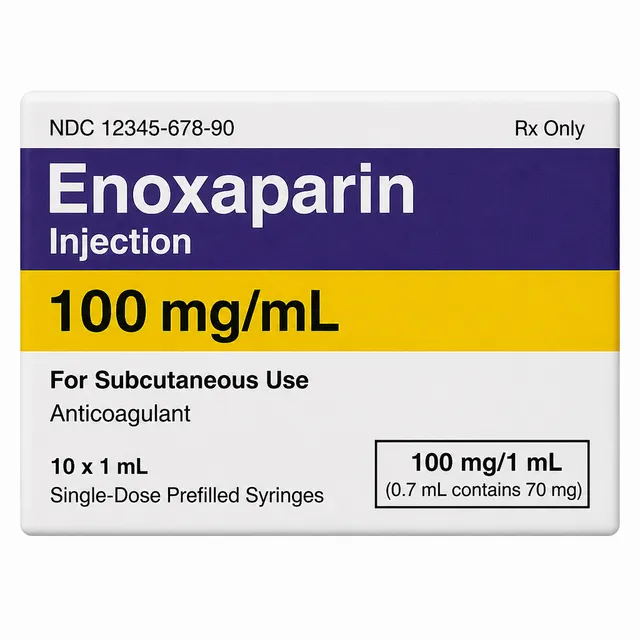
A 54-year-old client is 12 hours postoperative following knee replacement. The client has a platelet count of 210,000/mm3, a serum creatinine level of 0.9 mg/dL, and no evidence of active bleeding. The provider prescribes enoxaparin 70 mg subcutaneously every 12 hours. Refer to the medication label in the image. How many milliliters should the nurse administer? Round the final answer to the nearest tenth.
Question 7
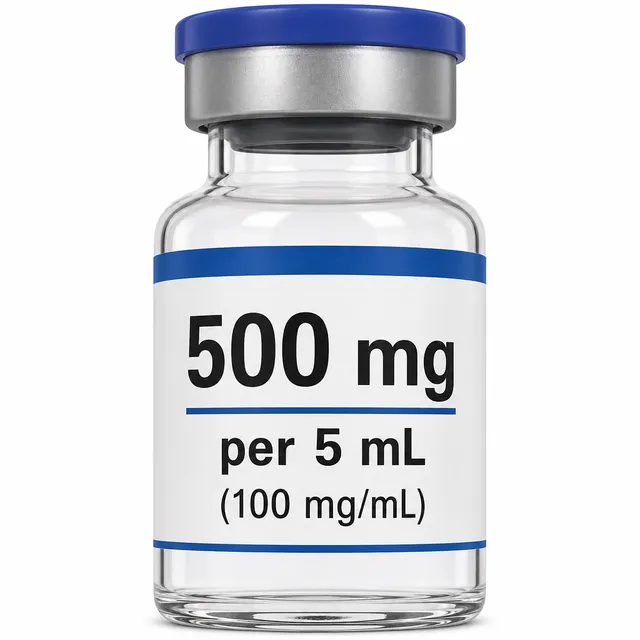
A client who experienced a seizure is prescribed levetiracetam 750 mg IV once. The nurse refers to the high-resolution medication vial label shown in the image and verifies that the vial is intended for intravenous use. How many milliliters should the nurse withdraw from the vial before diluting the medication as directed by pharmacy? Round the final answer to the nearest tenth.
Question 8
A client has a prescription for azithromycin 360 mg by mouth once daily. The pharmacy supplies azithromycin oral suspension labeled 200 mg per 5 mL. How many mL should the nurse administer for one dose? Record the answer to the nearest tenth.
Question 9
A client who can safely swallow liquids has a prescription for potassium chloride 30 mEq by mouth. The pharmacy supplies potassium chloride oral solution labeled 20 mEq per 15 mL. How many mL should the nurse administer? Enter the number only.
Question 10
A child weighing 35.2 lb has a prescription for acetaminophen 15 mg/kg by mouth for discomfort. The medication available is acetaminophen liquid 160 mg/5 mL. How many mL should the nurse administer? Round the final answer to the nearest tenth if necessary.
Question 11
A client is receiving continuous bladder irrigation after a urologic procedure. At the beginning of the shift, the irrigation bag contains 3,000 mL. At the end of the shift, 1,500 mL remains in the bag, and the urinary drainage bag contains 2,250 mL. How many milliliters of actual urine output should the nurse document? Enter a whole number.
Question 12
A client weighing 68 kg has a prescription for enoxaparin 1 mg/kg subcutaneously. The pharmacy supplies enoxaparin 80 mg per 0.8 mL in a multidose vial. How many mL should the nurse administer? Record the answer to the nearest hundredth.
Question 13
A client who weighs 154 lb has a prescription for regular insulin by continuous IV infusion at 0.1 unit/kg/hr. The pharmacy prepares 100 units of regular insulin in 250 mL of 0.9% sodium chloride. At how many mL/hr should the nurse program the infusion pump? Round the final answer to the nearest tenth.
Question 14
A client weighing 64 kg has a prescription for ondansetron 0.15 mg/kg IV before a procedure. The medication is supplied as ondansetron 2 mg/mL. How many mL should the nurse prepare? Enter the number to the nearest tenth.
Question 15
A client weighing 82 kg has a prescription for a continuous IV infusion at 18 units/kg/hr. The pharmacy supplies 25,000 units in 250 mL of 0.9% sodium chloride. At how many mL/hr should the nurse program the infusion pump? Round the final answer to the nearest tenth. Enter the number only.
Question 16
A client weighing 82 kg has a prescription for a heparin infusion at 18 units/kg/hr. The pharmacy supplies heparin 25,000 units in 500 mL of 0.9% sodium chloride. At how many mL/hr should the nurse set the infusion pump? Round the final answer to the nearest tenth. Enter the number only.
More medication practice
The calculation items above are drawn from these two topics, which also cover medication safety and administration:
Frequently asked questions
- Are dosage calculations on the NCLEX?
- Yes. The 2026 NCLEX-RN and NCLEX-PN test plans both list "Dosage Calculations" with the activity "Perform calculations needed for medication administration". It sits in Pharmacological and Parenteral Therapies (13–19% of RN items) and Pharmacological Therapies (10–16% of PN items).
- Which calculation topics should I practice for the NCLEX-PN?
- The PN plan lists "Calculate and monitor intravenous flow rate" alongside general medication calculations, so practice IV pump rates and gravity drip rates as well as weight-based and oral liquid doses.
- Are these NCLEX-PN questions?
- No. They come from Oncourse's NCLEX-RN question bank. The calculation methods are the same, but the questions are written to the RN test plan.
Sources
- NCSBN: 2026 NCLEX-RN Test Plan (Effective 1 April 2026 – 31 March 2029 (checked 30 Oct 2026))
- NCSBN: 2026 NCLEX-PN Test Plan (Effective 1 April 2026 – 31 March 2029 (checked 30 Oct 2026))
Oncourse is not affiliated with or endorsed by NCSBN.