

Understanding Stigma - Shame Game Defined
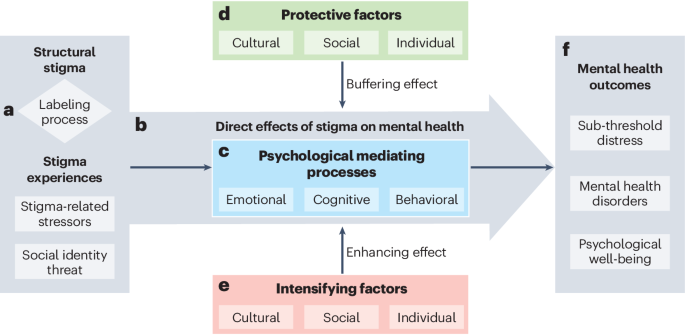
- Social stigma: A social process characterized by labeling, stereotyping, separation, status loss, and discrimination in a context of power.
- Key Concepts:
- Stereotypes: Oversimplified beliefs.
- Prejudice: Negative attitudes/feelings.
- Discrimination: Unjust treatment/behavior.
- Key Concepts:
- Types of Stigma:
Type Description Example (Indian Context) Public Societal negative reaction Ostracizing TB patients. Self/Internalized Internalizes negative beliefs Person with mental illness feels shame. Structural Discriminatory institutional policies Lack of ramps for disabled. Courtesy Stigma by association Family of HIV patient excluded. Perceived Fear of enacted stigma Avoiding leprosy care (fear). Enacted Overt discrimination Job denial (past addiction).

⭐ Erving Goffman (1963) described stigma as an attribute that is deeply discrediting, reducing the bearer from a whole and usual person to a tainted, discounted one.
Stigma's Roots & Reach - Why It Sticks
- Drivers of Stigma:
- Fear (of contagion, unknown, social disruption)
- Lack of knowledge/Misinformation
- Misconceptions about causality
- Cultural beliefs & norms
- Socialization
- Media portrayals
- Power imbalances
- Commonly Stigmatized in India:
- HIV/AIDS: Transmission fears, moral judgment.
- Mental Illnesses: (e.g., schizophrenia, depression, bipolar disorder); misunderstood, feared.
- Leprosy: Historical fears, though curable.
- Tuberculosis (TB): Contagion concerns, treatment adherence issues.
- Substance Abuse: (alcohol, drugs); seen as moral failing.
- LGBTQ+ Individuals: Non-conformity to social norms.
- Certain Castes/Tribal Groups: Deep-rooted discrimination.
⭐ Stigma associated with TB can be a major barrier to seeking diagnosis and adhering to lengthy treatment regimens in India.
Health's Hidden Hurdle - Stigma's Sting
Social stigma creates significant barriers to health and well-being. It impacts individuals across multiple domains:
| Impact Area | Specific Effects |
|---|---|
| Mental Health | ↑ Stress, anxiety, depression, loneliness, social isolation, low self-esteem, hopelessness, suicidal ideation. |
| Physical Health | Delayed care-seeking, poor treatment adherence, avoidance of health services, illness concealment, riskier behaviors. |
| Social Well-being | Reduced opportunities (employment, education, housing), social exclusion, damaged relationships, family stress. |
| Healthcare | Provider discrimination, compromised care quality, ↓ access to services, contributes to health disparities. |
| %%{init: {'flowchart': {'htmlLabels': true}}}%% | |
| flowchart TD |
STIGMA["🚫 Stigma
• Social prejudice• Negative bias"]
BEHAVIOR["🚶 Behavior
• Care avoidance• Poor adherence"]
OUTCOME["📉 Outcome
• Disease progress• ⬇️ Health status"]
REINFORCE["🔄 Reinforced
• Cycle continues• Validated bias"]
STIGMA --> BEHAVIOR BEHAVIOR --> OUTCOME OUTCOME --> REINFORCE REINFORCE --> STIGMA
style STIGMA fill:#F7F5FD, stroke:#F0EDFA, stroke-width:1.5px, rx:12, ry:12, color:#6B21A8 style BEHAVIOR fill:#FEF8EC, stroke:#FBECCA, stroke-width:1.5px, rx:12, ry:12, color:#854D0E style OUTCOME fill:#FDF4F3, stroke:#FCE6E4, stroke-width:1.5px, rx:12, ry:12, color:#B91C1C style REINFORCE fill:#F6F5F5, stroke:#E7E6E6, stroke-width:1.5px, rx:12, ry:12, color:#525252
> ⭐ Internalized stigma is a significant predictor of poor medication adherence and worse clinical outcomes in chronic illnesses like HIV and mental disorders.
## Fighting Stigma - Breaking Barriers
* **Levels of Intervention to Combat Stigma:**
| Level | Examples | Key Strategies Applied |
|-------------------|----------------------------------------------|---------------------------------------------|
| **Individual** | Counseling (internalized stigma) | Empowerment |
| **Interpersonal** | Healthcare provider training | Education, Contact |
| **Community** | Awareness campaigns, Support groups | Education, Contact, Advocacy |
| **Structural/Policy** | Anti-discrimination laws, Resource allocation | Advocacy, Legal reforms, Education |
* **Core Anti-Stigma Strategies:**
- **Education:** Dispel myths, provide facts.
- **Contact:** Foster positive interactions.
- **Advocacy:** Drive policy change, speak out.
- **Empowerment:** Build coping skills, self-esteem.
- **Legal/Policy Reform:** Protect rights.
* **Planning Stigma Reduction:**
```mermaid
%%{init: {'flowchart': {'htmlLabels': true}}}%%
flowchart TD
A["<b>📋 Assess Stigma</b><br><span style='display:block; text-align:left; color:#555'>• Identify barriers</span><span style='display:block; text-align:left; color:#555'>• Group attitudes</span>"]
B["<b>💊 Plan Interventions</b><br><span style='display:block; text-align:left; color:#555'>• Design strategy</span><span style='display:block; text-align:left; color:#555'>• Set objectives</span>"]
C["<b>🚀 Implement Programs</b><br><span style='display:block; text-align:left; color:#555'>• Launch actions</span><span style='display:block; text-align:left; color:#555'>• Engage community</span>"]
D["<b>✅ Evaluate Impact</b><br><span style='display:block; text-align:left; color:#555'>• Measure results</span><span style='display:block; text-align:left; color:#555'>• Analyze change</span>"]
A --> B
B --> C
C --> D
style A fill:#FEF8EC, stroke:#FBECCA, stroke-width:1.5px, rx:12, ry:12, color:#854D0E
style B fill:#F1FCF5, stroke:#BEF4D8, stroke-width:1.5px, rx:12, ry:12, color:#166534
style C fill:#F1FCF5, stroke:#BEF4D8, stroke-width:1.5px, rx:12, ry:12, color:#166534
style D fill:#F6F5F5, stroke:#E7E6E6, stroke-width:1.5px, rx:12, ry:12, color:#525252
- Healthcare Professionals' Role: Provide non-judgmental care, educate patients/families/colleagues, advocate for patients, challenge stigma, promote inclusive services.
- India: Anti-Stigma Initiatives: National Mental Health Programme (NMHP), NACP (HIV).
⭐ The 'Contact Hypothesis': Interpersonal contact, under appropriate conditions, is highly effective in reducing prejudice and stigma.
High‑Yield Points - ⚡ Biggest Takeaways
- Social stigma, a key social determinant, severely impacts health outcomes and access to care.
- Manifests as enacted stigma (discrimination) and felt/internalized stigma (shame, fear).
- Leads to delayed diagnosis, poor treatment adherence, and reduced health-seeking behaviors.
- Highly prevalent with HIV/AIDS, tuberculosis, leprosy, and mental health disorders.
- Results in social isolation, discrimination, and exacerbates mental health issues.
- Mitigation involves IEC, counseling, legal frameworks, and community participation.
Unlock the full lesson and continue reading
Signup to continue reading this lesson and unlimited access questions, flashcards, AI notes, and more
