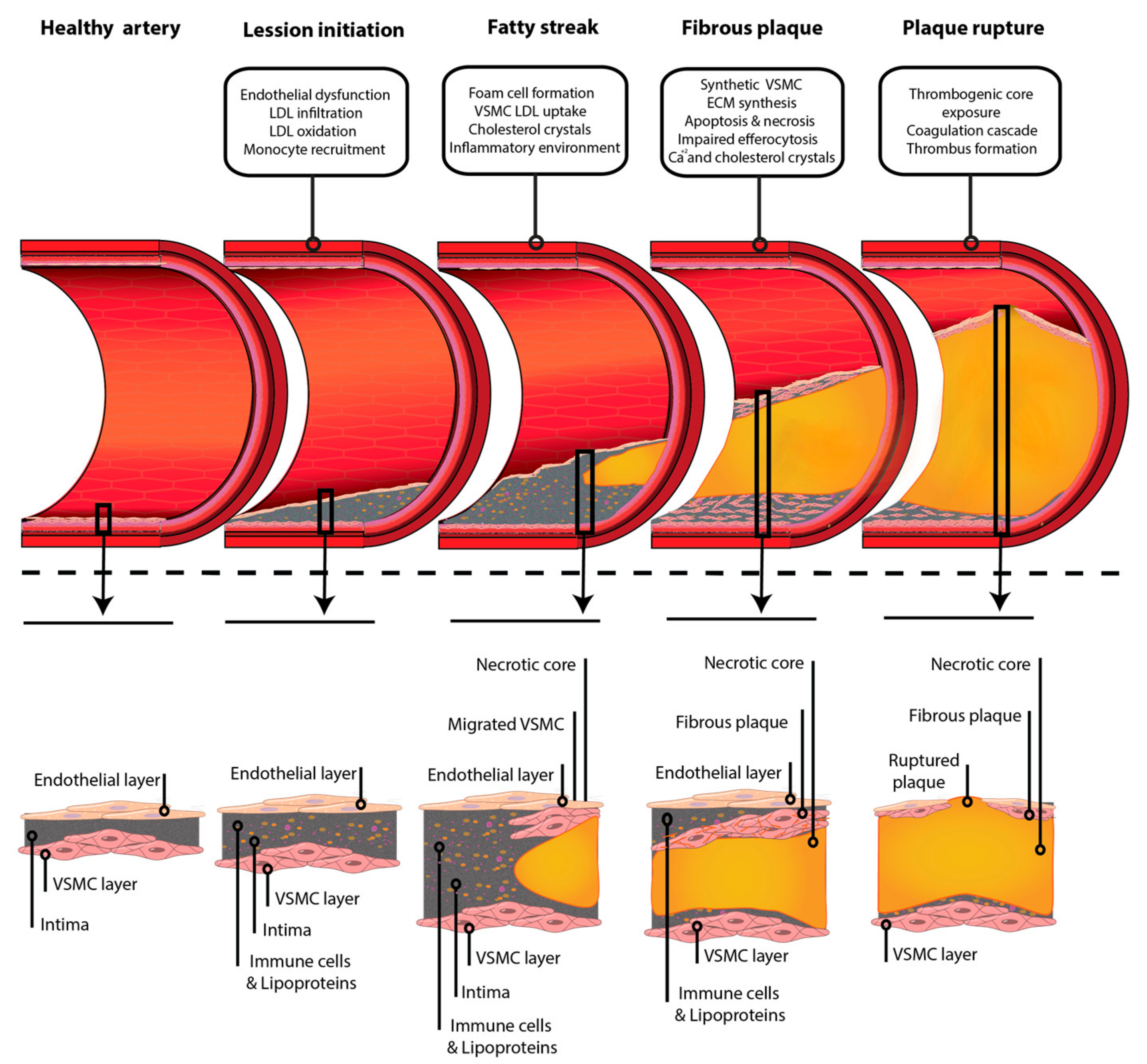
Lipid Profile and Cardiovascular Risk Indian Medical PG Practice Questions and MCQs
Practice Indian Medical PG questions for Lipid Profile and Cardiovascular Risk. These multiple choice questions (MCQs) cover important concepts and help you prepare for your exams.
Lipid Profile and Cardiovascular Risk Indian Medical PG Question 1: Which lipid parameter is most useful for cardiovascular risk stratification in hypertensive patients?
- A. Cholesterol/HDL<3.5 (Correct Answer)
- B. Triglycerides <150mg/dL
- C. LDL cholesterol <100mg/dL
- D. HDL <30mg%
Lipid Profile and Cardiovascular Risk Explanation: ***Cholesterol/HDL<3.5***
- The **total cholesterol to HDL ratio** is a strong predictor of cardiovascular risk, particularly in hypertensive patients, as it integrates both pro-atherogenic (total cholesterol) and anti-atherogenic (HDL) lipid fractions [1].
- A ratio of **<3.5** generally indicates a lower cardiovascular risk, while higher ratios are associated with increased risk.
*Triglycerides <150mg/dL*
- While high triglycerides are an independent risk factor, a level of **<150 mg/dL** is considered normal and does not provide comprehensive cardiovascular risk stratification on its own.
- High triglycerides are often associated with other metabolic abnormalities, but this single value does not reflect the balance of pro- and anti-atherogenic particles as effectively as the cholesterol/HDL ratio.
*LDL cholesterol <100mg/dL*
- **LDL cholesterol** is a primary target for lipid-lowering therapy, and a level of **<100 mg/dL** is generally desirable for cardiovascular health [1].
- However, relying solely on LDL might miss patients with high cardiovascular risk due to low HDL or other dyslipidemias not fully captured by LDL alone [1].
*HDL <30mg%*
- **Low HDL** is an independent risk factor for cardiovascular disease [1]. However, simply using a low threshold like **<30 mg%** only identifies a subset of high-risk individuals.
- This parameter doesn't account for total cholesterol levels, making the **ratio of total cholesterol to HDL** a more robust and comprehensive indicator of overall lipid-related cardiovascular risk.
Lipid Profile and Cardiovascular Risk Indian Medical PG Question 2: How much decrease in LDL cholesterol and how much increase in HDL cholesterol can occur with the use of bile acid resins as anti-dyslipidemic drugs?
- A. 15-25% decrease in LDL-C and 3-5% increase in HDL-C (Correct Answer)
- B. 3-5% decrease in LDL-C and 1-3% increase in HDL-C
- C. 25-35% decrease in LDL-C and 1-3% increase in HDL-C
- D. 5-10% decrease in LDL-C and 1-3% increase in HDL-C
Lipid Profile and Cardiovascular Risk Explanation: ***Correct: 15-25% decrease in LDL-C and 3-5% increase in HDL-C***- **Bile acid resins** (cholestyramine, colestipol, colesevelam) effectively lower **LDL cholesterol by 15-25%** by sequestering bile acids in the intestine, leading to increased hepatic LDL receptor expression [1].- They produce a modest but beneficial **3-5% increase in HDL cholesterol**.- This represents the typical therapeutic effect at standard doses.*Incorrect: 3-5% decrease in LDL-C and 1-3% increase in HDL-C*- This represents a **much smaller effect** on both LDL-C and HDL-C than typically observed with therapeutic doses of bile acid resins.- Such marginal LDL-C reduction (3-5%) would be **clinically insignificant** for most dyslipidemic patients requiring treatment.*Incorrect: 25-35% decrease in LDL-C and 1-3% increase in HDL-C*- While bile acid resins can achieve significant **LDL-C reduction**, the 25-35% range is on the **higher end** of what's typically seen (more common with maximum doses or combination therapy).- The **HDL-C increase of 1-3%** is lower than the standard 3-5% increase commonly reported for this drug class.*Incorrect: 5-10% decrease in LDL-C and 1-3% increase in HDL-C*- This magnitude of **LDL-C reduction is suboptimal** for patients requiring lipid-lowering therapy with bile acid resins.- Both the LDL-C decrease and HDL-C increase are below the expected therapeutic range for this medication class.
Lipid Profile and Cardiovascular Risk Indian Medical PG Question 3: Which apolipoprotein is the primary structural component of LpA-I particles?
- A. Apo B-48
- B. Apo A-I (Correct Answer)
- C. Apo A-II
- D. Apo B-100
Lipid Profile and Cardiovascular Risk Explanation: ***Apo A-I***
- **Apolipoprotein A-I (Apo A-I)** is the main structural and functional protein of **high-density lipoprotein (HDL)**.
- It plays a crucial role in **reverse cholesterol transport**, facilitating the removal of excess cholesterol from peripheral tissues back to the liver.
*Apo B-48*
- **Apo B-48** is found exclusively in **chylomicrons**, which are responsible for transporting dietary lipids from the intestines.
- It is synthesized in the **intestine** and is critical for the assembly and secretion of chylomicrons.
*Apo A-II*
- **Apo A-II** is another apolipoprotein found in HDL particles, but it is not the primary structural component.
- While present, it is less abundant than Apo A-I and its precise role is still being researched, though it may influence **HDL metabolism**.
*Apo B-100*
- **Apo B-100** is the primary structural protein of **low-density lipoprotein (LDL)** and very-low-density lipoprotein (VLDL).
- It is essential for the binding of LDL to the **LDL receptor**, mediating the uptake of cholesterol into cells.
Lipid Profile and Cardiovascular Risk Indian Medical PG Question 4: Which of the following is not the criteria for diagnosis of Metabolic syndrome?
- A. High LDL (Correct Answer)
- B. Hyperiglyceridemia
- C. Hypertension
- D. Central obesity
Lipid Profile and Cardiovascular Risk Explanation: ***High LDL***
- While **high LDL (low-density lipoprotein)** is a risk factor for cardiovascular disease [1], it is **not** one of the specific diagnostic criteria for metabolic syndrome.
- The criteria for metabolic syndrome focus on a cluster of metabolic abnormalities associated with insulin resistance.
*Hypertriglyceridemia*
- **Elevated triglycerides** (typically ≥ 150 mg/dL or on drug treatment for elevated triglycerides) is one of the key diagnostic criteria for metabolic syndrome.
- It reflects impaired lipid metabolism often associated with insulin resistance [2].
*Hypertension*
- **Elevated blood pressure** (systolic ≥ 130 mmHg or diastolic ≥ 85 mmHg, or on antihypertensive drug treatment) is a core component of metabolic syndrome.
- Hypertension in this context is often linked to underlying insulin resistance.
*Central obesity*
- **Increased waist circumference** (varying by ethnicity and sex, e.g., >102 cm in men and >88 cm in women for adults of European descent) is a primary criterion for metabolic syndrome.
- It is a strong indicator of visceral fat accumulation, which is closely linked to insulin resistance [3].
Lipid Profile and Cardiovascular Risk Indian Medical PG Question 5: Which of the following is a non- modifiable risk factor for CHD -
- A. Diabetes
- B. Smoking
- C. Hypertension
- D. Old age (Correct Answer)
Lipid Profile and Cardiovascular Risk Explanation: Old age
- Age is a **non-modifiable risk factor** for Coronary Heart Disease (CHD) because it is an inherent biological process that cannot be changed [3].
- The risk of developing CHD **increases with age** due to cumulative exposure to other risk factors and natural wear and tear on the cardiovascular system [3].
*Diabetes*
- Diabetes is a **modifiable risk factor** for CHD because it can be managed and controlled through lifestyle changes, medication, and regular monitoring [2].
- **Poorly controlled diabetes** significantly increases the risk of heart disease by damaging blood vessels and promoting atherosclerosis.
*Smoking*
- Smoking is a highly **modifiable risk factor** for CHD as it can be completely stopped [1], [2].
- **Cessation of smoking** significantly reduces the risk of heart attack and stroke over time [1].
*Hypertension*
- Hypertension is a **modifiable risk factor** for CHD because blood pressure can be lowered through lifestyle interventions, such as diet and exercise, and pharmacotherapy [2].
- **Uncontrolled high blood pressure** places increased stress on the heart and blood vessels, accelerating the development of atherosclerosis [1].
Lipid Profile and Cardiovascular Risk Indian Medical PG Question 6: Apolipoprotein A-I is found in which of the following lipoproteins?
- A. HDL (Correct Answer)
- B. VLDL
- C. LDL
- D. Chylomicrons
Lipid Profile and Cardiovascular Risk Explanation: ***HDL***
- **Apolipoprotein A-I (ApoA-I)** is the primary protein component of **high-density lipoprotein (HDL)**.
- Its main roles are the activation of **lecithin-cholesterol acyltransferase (LCAT)** and to facilitate the transport of **cholesterol** from peripheral tissues back to the liver (**reverse cholesterol transport**).
*VLDL*
- **Very-low-density lipoprotein (VLDL)** primarily contains **apolipoprotein B-100 (ApoB-100)**, **ApoC-II**, and **ApoE**.
- Its main function is the transport of **triglycerides** synthesized in the liver to peripheral tissues.
*LDL*
- **Low-density lipoprotein (LDL)** contains a single molecule of **apolipoprotein B-100 (ApoB-100)**.
- LDL is responsible for delivering **cholesterol** from the liver to peripheral cells.
*Chylomicrons*
- **Chylomicrons** primarily contain **apolipoprotein B-48 (ApoB-48)**, **ApoC-II**, and **ApoE**.
- They are responsible for transporting **dietary triglycerides** and **cholesterol** from the intestines to peripheral tissues and the liver.
Lipid Profile and Cardiovascular Risk Indian Medical PG Question 7: All of the following are risk factors for atherosclerosis EXCEPT which of the following?
- A. Hypercholesterolemia
- B. Smoking
- C. Hypertension
- D. Normal LDL cholesterol (Correct Answer)
Lipid Profile and Cardiovascular Risk Explanation: ***Normal LDL cholesterol***
- **Normal LDL cholesterol** levels indicate a healthy lipid profile, which is protective against rather than a risk factor for **atherosclerosis**.
- **Low-density lipoprotein (LDL)** is often referred to as "bad cholesterol" because high levels contribute to plaque buildup in arteries [1].
*Hypercholesterolemia*
- **Hypercholesterolemia**, particularly elevated **LDL cholesterol**, is a primary independent risk factor for the development and progression of **atherosclerosis** [1].
- Excess cholesterol leads to the formation of **fatty streaks** and **atheromatous plaques** within arterial walls [2].
*Smoking*
- **Smoking** severely damages the **endothelium**, making blood vessels more susceptible to plaque formation and promoting **atherosclerosis**.
- It also reduces **HDL cholesterol**, increases **oxidative stress**, and promotes **inflammation**, all contributing to arterial damage [1].
*Hypertension*
- **Hypertension** (high blood pressure) causes chronic mechanical stress on the arterial walls, leading to **endothelial injury** and dysfunction [3].
- This damage facilitates the infiltration of lipids and inflammatory cells, accelerating the development of **atherosclerotic plaques** [2].
Lipid Profile and Cardiovascular Risk Indian Medical PG Question 8: Which of the following statements about chylomicrons is true?
- A. Chylomicrons are unrelated to triglyceride transport.
- B. Chylomicrons primarily contain cholesterol.
- C. Chylomicrons primarily contain triglycerides (TGs). (Correct Answer)
- D. Chylomicrons do not primarily contain triglycerides.
Lipid Profile and Cardiovascular Risk Explanation: ***Chylomicrons primarily contain triglycerides (TGs)***
- **Chylomicrons** are the largest and least dense lipoproteins, primarily responsible for transporting **dietary triglycerides** absorbed from the intestine to peripheral tissues.
- They are synthesized in the **enterocytes** of the small intestine and released into the lymphatic system.
- Approximately **85-90%** of a chylomicron's mass is composed of **triglycerides**, making them the primary carriers of exogenous fats.
*Chylomicrons primarily contain cholesterol*
- While chylomicrons do contain some **cholesterol**, it is a minor component (~3-5%) compared to their predominant content, which is **triglycerides**.
- Lipoproteins like **LDL** and **HDL** are primarily responsible for cholesterol transport.
*Chylomicrons are unrelated to triglyceride transport*
- This statement is incorrect; chylomicrons are fundamentally involved in the **transport of dietary triglycerides** from the intestines to various tissues in the body.
- After lipoprotein lipase acts on chylomicrons in peripheral tissues, triglycerides are hydrolyzed and fatty acids are taken up by tissues.
*Chylomicrons do not primarily contain triglycerides*
- This statement directly contradicts the main function and composition of chylomicrons, which are **rich in triglycerides**.
- Without triglycerides as their primary content, chylomicrons would not be able to fulfill their physiological role in lipid transport.
Lipid Profile and Cardiovascular Risk Indian Medical PG Question 9: Which of the following is most strongly associated with heart disease?
- A. HDL
- B. LDL (Correct Answer)
- C. VLDL
- D. Chylomicrons
Lipid Profile and Cardiovascular Risk Explanation: ***LDL***
- **Low-density lipoprotein (LDL)** is often referred to as "bad cholesterol" because high levels contribute to the buildup of **plaque** in the arteries, leading to **atherosclerosis** and increasing the risk of heart disease.
- **Elevated LDL** promotes cholesterol deposition in arterial walls, narrowing the vessels and impeding blood flow.
*HDL*
- **High-density lipoprotein (HDL)** is known as "good cholesterol" as it helps remove cholesterol from the arteries and transport it back to the liver for excretion.
- **High HDL levels** are generally protective against heart disease, not associated with its development.
*VLDL*
- **Very-low-density lipoprotein (VLDL)** primarily transports **triglycerides** synthesized in the liver to various tissues.
- While high VLDL levels can increase the risk of heart disease, primarily due to their breakdown into LDL, **LDL itself is a more direct and stronger predictor** of atherosclerotic disease.
*Chylomicrons*
- **Chylomicrons** are responsible for transporting **dietary fats** (triglycerides and cholesterol) from the intestines to the rest of the body after a meal.
- Although high levels of chylomicrons can be associated with increased triglyceride levels, they are typically present for only a few hours after eating and are **not as strongly implicated in chronic atherosclerosis** as LDL.
Lipid Profile and Cardiovascular Risk Indian Medical PG Question 10: Consider the following statements with reference to 'trans fatty acids' :
1. They are geometrical isomers of cis-unsaturated fatty acids.
2. Though atherogenic, being unsaturated they are less so than saturated fatty acids.
3. It takes years for trans fatty acids to be flushed from the body.
4. They lower both LDL cholesterol and HDL cholesterol in the body. Which of the statements given above are correct ?
- A. 1 and 3 only
- B. 2, 3 and 4
- C. 1 only (Correct Answer)
- D. 1, 3 and 4
Lipid Profile and Cardiovascular Risk Explanation: ***1 only***
- **Statement 1 is CORRECT**: Trans fatty acids are **geometrical isomers of cis-unsaturated fatty acids**, differing in the spatial arrangement of hydrogen atoms around the carbon-carbon double bond. This structural difference gives them physical and biological properties more similar to saturated fats.
- **Statement 2 is INCORRECT**: Trans fatty acids are **MORE atherogenic** than saturated fatty acids, not less. They raise LDL cholesterol and lower HDL cholesterol more significantly than saturated fats.
- **Statement 3 is INCORRECT**: Trans fatty acids are metabolized and eliminated from the body within **days to weeks**, not years. Long-term cardiovascular damage results from chronic dietary exposure, not slow elimination kinetics.
- **Statement 4 is INCORRECT**: Trans fatty acids **raise LDL cholesterol** ("bad" cholesterol) and **lower HDL cholesterol** ("good" cholesterol). They do not lower both as stated.
*1 and 3 only*
- Statement 1 is correct, but statement 3 is **incorrect**. The body processes and eliminates trans fatty acids relatively quickly (days to weeks), not years. The detrimental cardiovascular effects accumulate due to chronic dietary exposure, not slow metabolism of individual molecules.
*2, 3 and 4*
- All three statements are **incorrect**. Statement 2 is wrong because trans fats are **more atherogenic** than saturated fats. Statement 3 is wrong because trans fats are metabolized within weeks, not years. Statement 4 is wrong because trans fats **raise LDL** (not lower it) while lowering HDL.
*1, 3 and 4*
- Only statement 1 is correct. Statement 3 is **incorrect** as trans fatty acids are metabolized within weeks, not years. Statement 4 is **incorrect** because trans fatty acids **increase LDL cholesterol** and **decrease HDL cholesterol** - they do not lower both.
More Lipid Profile and Cardiovascular Risk Indian Medical PG questions available in the OnCourse app. Practice MCQs, flashcards, and get detailed explanations.