Volatility skew and smile CFA Flashcards - Medical Study Cards
Master Volatility skew and smile with Oncourse flashcards. These spaced repetition flashcards are designed for medical students preparing for NEET PG, USMLE Step 1, USMLE Step 2, MBBS exams, and other medical licensing examinations.
Volatility skew and smile Flashcard Deck - 9 Cards
Flashcard 1: Concentrated Equity Positions\
*Hedging Strategies*
Answer: Hedging is a useful strategy when the holder of a concentrated position would like to protect against downside risk but still benefit from any potential upsides. Two major hedging strategies are:
- Purchase of Puts - Locks in a floor price, retain unlimited upside potential and defers capital gains. Can be expensive but cost can be reduced by purchasing out of the money, shorter maturity, selling puts with lower strike (put spread) etc.
- Cashless (Zero-Premium) Collars - Simultenously buy Puts and sell Calls. Premiums offset each other but you give away some upside potential.
A collar can be combined with a margin loan to monetize the position. An instrument that combines the two is known as a Prepaid Variable Forward.
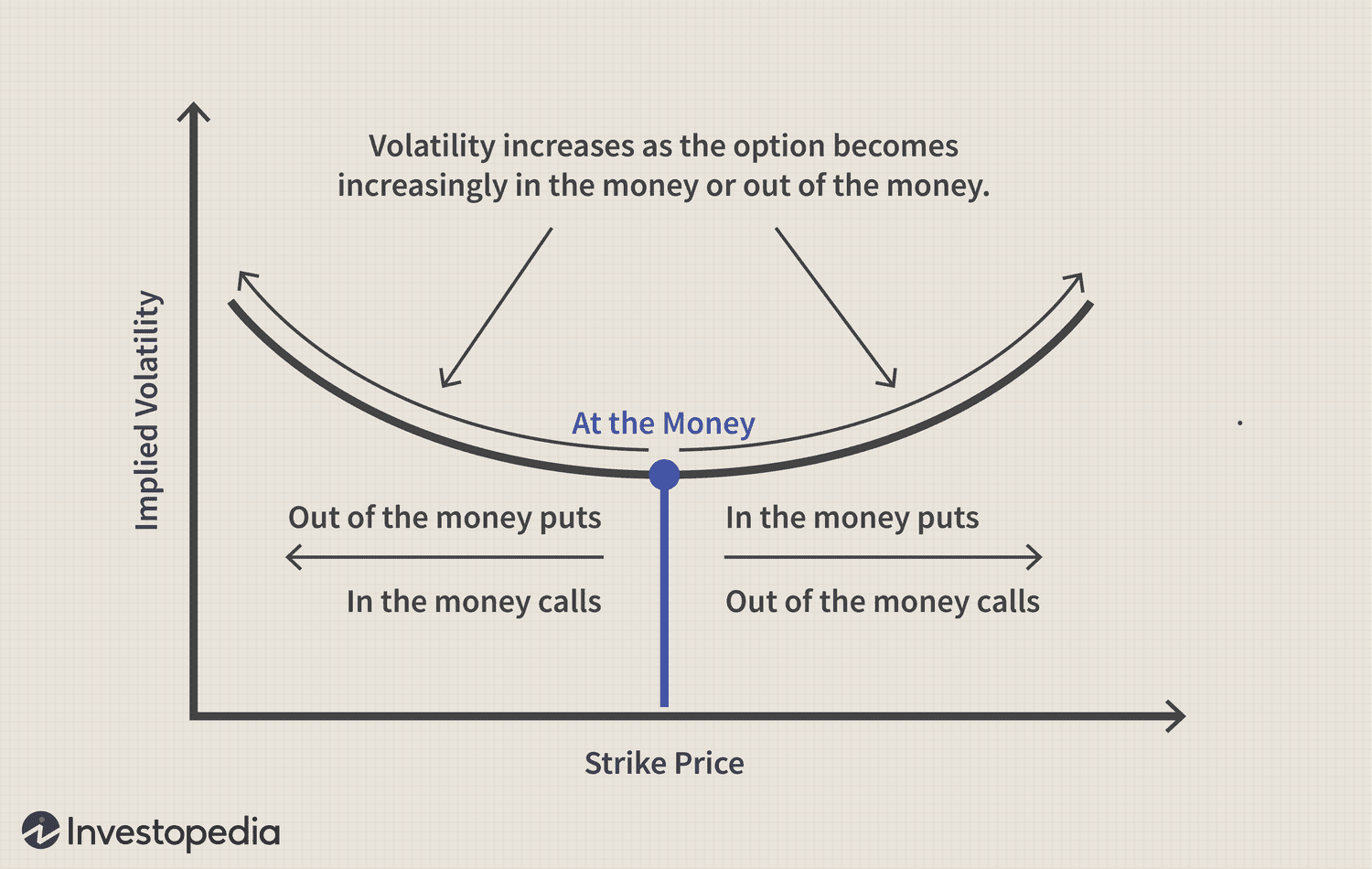
Flashcard 2: Volatility smile
Answer: Further-from-ATM options have higher implied volatilities resulting in a U-shaped (smiling) curve when implied volatility is plotted against strike price.\
Flashcard 3: Vega and Volatility Risk
Answer: Vega = (Change in Option/Change in Vol of Underlying)
- At-the-money option has greatest Vega
- Volatility is unobservable so it is difficult to estimate Vega
- Delta is required to manage Vega risk jointly with delta & gamma
Flashcard 4: Straddle
Answer: - Purchase of a Put and Call with the same X and maturity
- Expect an increase in volatility
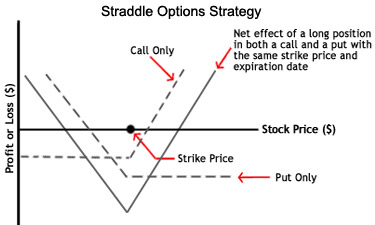
- Can use a short straddle when neutral view about volatility
Flashcard 5: Gamma
Answer: Gamma = (change in Delta)/(change in Underlying)
- Measures the sensitivity of delta to a change in the underlying
- Highest when option is at the money/or near expiration
- When gammas are large, some delta hedgers choose to also gamma hedge
Flashcard 6: Delta Hedging
Answer: Delta Hedging is combining an option position with a position in the underlying asset to form a portfolio whose value does not change in reaction to changes in the underlying over short periods of time. Buy (sell) delta number of shares for each short (long) position.
- Delta is an approximation for small changes only
- Delta changes with time and with the price of the underlying
- Rounding causes imprecission
Deltacall = (Change in Call/Change in Spot)
Delta Hedges need to be constantly rebalanced
Flashcard 7: Gamma and the Risk of Delta
Answer: Gamme = (Change in Delta/Change in Spot)
- Larger the gamma, greater the risk
- Gamma is largest for at-the-money and/or near expiration
- Gamma hedge = position in underlying & position in two options
Flashcard 8: Interest Rate Cap
Answer: - Interest rate cap is a combination of interest rate calls
- Each option in a cap is a caplet
- Each caplet has same X but its own expiration date
- Cap seller makes payment if IR \< strike rate
- Payoff is determined on its expiration date but made on the next payment date
Flashcard 9: Interest Rate Collar
Answer: - A combination of a cap and a floor where the agent is long in one position and short in the other
- Attractive to a bank that has among its liabilities large deposits with floating interest rates
Keywords: Volatility skew and smile flashcards, medical flashcards, NEET PG preparation, USMLE Step 1 flashcards, Anki alternative, spaced repetition medical, Oncourse flashcards

