How can med students remember more with less effort?
The point was never to study more
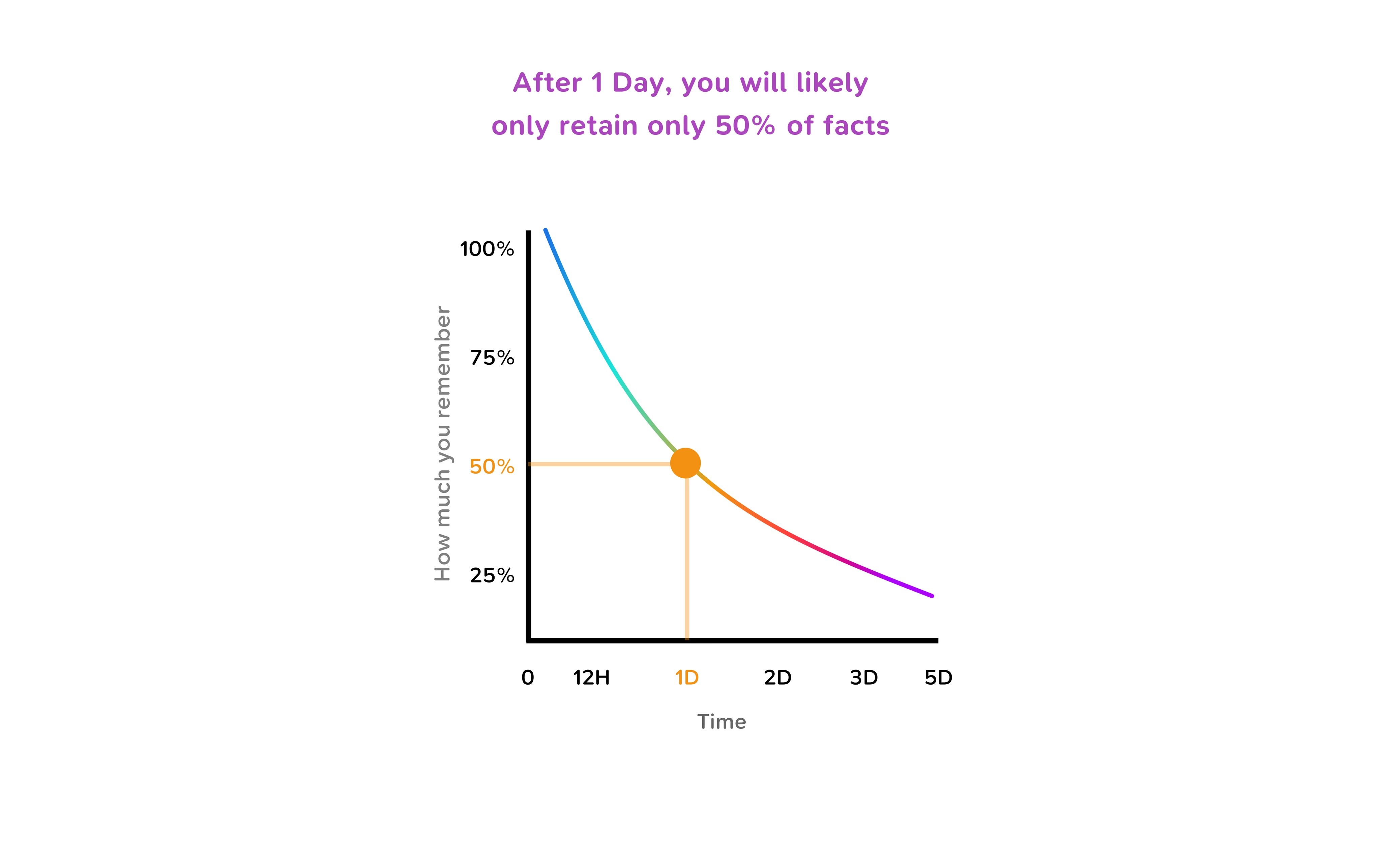
Your brain wasn't built to memorize 15+ subjects in one go. It was built to forget.
Sounds depressing, right? But here's the thing—that's not a flaw. That's just how memory works. And once you understand it, you can actually use it to your advantage.
Your brain was not designed to remember medical concepts
Most of us have been doing it wrong for years. Reading the same notes over and over. Highlighting entire paragraphs. Making flashcards and then never looking at them again. Or treating flashcards like tiny sticky notes—just writing stuff down without any system behind it. That's not how retention works.
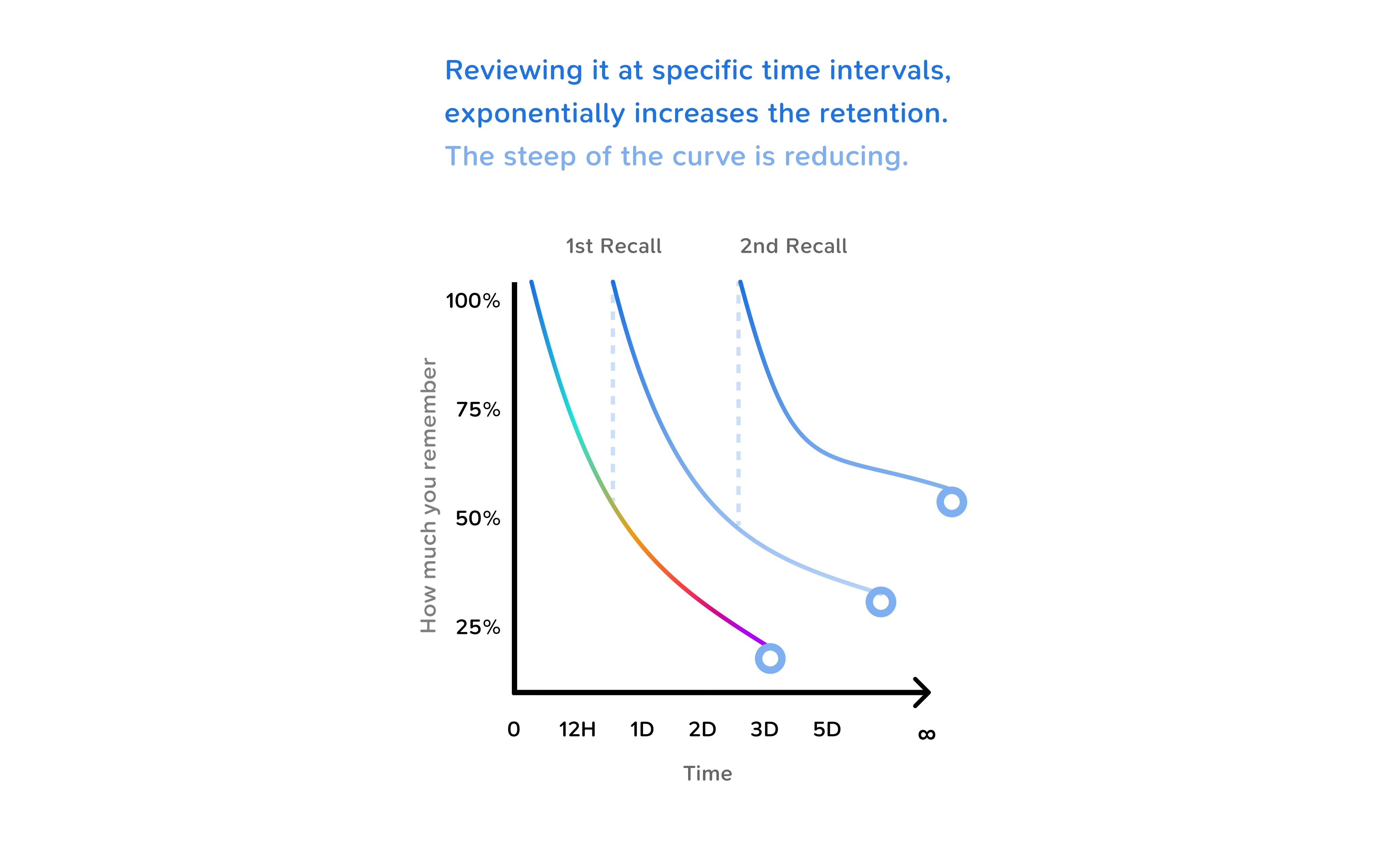
Spaced repetition is different. Instead of cramming everything the night before OR watching hrs of videos at a stretch ...., you review stuff at specific intervals—right when you're about to forget it. Each time you do, the memory sticks a little longer. The flashcard isn't the magic part. The algorithm deciding when you see it again—that's what actually makes it work.
It's not some complicated hack. It's just science. Your brain strengthens connections through well-timed repetition, not brute force. And honestly, it works way better than reading the same page five times hoping something sticks.
The problem is, doing this manually is exhausting.
One of our users who cleared their MD made over 15,000 cards by hand. That's an insane amount of time and effort. Tracking what you've learned, when to revise, building all those cards—who has time for that between lectures, clinicals, and trying to have some semblance of a life?
We want to help with Oncourse here.
With a few clicks, you have flashcards ready—pulled from your notes, textbooks, or even existing material from sources like Anki. But it doesn't stop there. The AI adds context, relevant images, and visual cues that help things actually stick. Because let's be honest—a plain text card with "Cause of Fournier's gangrene?" doesn't hit the same as one with a proper clinical image and context around it.
And then the algorithm takes over. It figures out what you're forgetting and brings it back at the right time. You don't have to think about scheduling reviews. It just happens in the background while you focus on actually learning.
One user told us something that stuck with me: "I can't forget what I learned using this method—even things from months ago."
The goal was never to study more. It was to remember more with less effort.